Open Cell vs. Closed Cell Spray Foam Insulation

In the market for spray foam insulation, but not sure of the difference between so-called “closed-cell” and “open-cell” foams, and which you should be looking at for your needs? We’ll take a close look at these two related but quite distinct insulation materials, and help you determine the ideal choice for your home or business.

What Are Closed-Cell Foam and Open-Cell Foam?

Let’s begin by defining these two terms. These two spray foams are both polyurethane foams, but they’re quite distinct from one another in physical properties due to a single difference:

  • In closed-cell foam, each of the millions of cells or small bubbles in the foam is fully sealed and independent of the others.
  • In open-cell foam, those small bubbles are interlinked.

This sounds like a minor change, especially since they’re both still polyurethane foams made up of a ton of little cells, but as we’ll see, this adds up to very big differences in performance and ideal applications.

R-Values

The first thing we want to look at with any insulating material, at least for thermal insulation, is R-value. If you’re unfamiliar with the term, R-value measures the resistance of a substance to heat flow, i.e., how good it is at insulating.

  • Closed-cell foam wins handily on R-value alone, with values of around 6-7 per inch.
  • Open-cell foam typically comes in at two-thirds or half that per inch.

So per inch of insulation, closed-cell foam is far more effective at making heat stay in or out of the place it’s insulating. Of course, there’s a lot more to insulation choices than raw R-values.

Density, Structure, and Expansion

Closed-cell foam is considered a medium-density insulating material, and it feels rigid and hard to compress with your hand. Open-cell foam is a low-density material you can probably squeeze into a ball without too much trouble, as the open cells allow you to squeeze air out of the structure.

This means that a layer of closed-cell foam ends up behaving almost like a thin layer of thick rubber wherever it is sprayed, while open-cell foam is more like a cushion. And the expansiveness of open-cell foam means it can’t be easily used in tight confines, like narrow walls in need of heavy insulation.

In fact, this difference ends up multiplying the advantage of closed-cell foam in many applications, as you can fit three layers of R-6 or R-7 closed-cell foam in the same space you would get a single R-3.5 layer of open-cell foam.

On the other hand, the way open-cell foam expands can allow it to more effectively fill difficult nooks and crannies, completely fill larger open spaces for soundproofing and sealing purposes, etc. In fact, it’s superior for soundproofing, as the dense nature of closed-cell foam makes it conduct sound relatively well, and any sound-dampening effect is minimal, whereas open-cell foam makes for excellent sound insulation.

Both foams also serve to create effective air barriers, but open-cell foam is moisture-permeable while closed-cell foam is not. For weatherproofing, this usually favors closed-cell, but some specific situations may better suit open-cell.

Application

These two forms of spray insulation are actually applied differently, which can also lead to differences in viable uses. Open-cell foam is easier to work with, and it can be sprayed in with simple water as a blowing agent. Closed-cell spray foam, on the other hand, requires specific chemicals — and in environments where those chemicals cannot be safely used, open-cell again pulls ahead.

How to Choose?

If none of the other differences is significant enough to make your decision for you before reaching the final point, then applying the significantly less expensive open-cell foam is probably a better choice. Otherwise, match your choice to your specific goals; there is no one-size-fits-all solution for insulation.

Need help choosing between open-cell and closed-cell spray foam for your residential or commercial property? Contact the experts at IBP of Nashville; we’ll help you determine the most effective material for your space.
Can Insulation be Reused or Recycled?

When researching insulation solutions for your home, you may stumble across information about recyclable insulation. Some materials can be reused to help homeowners save time and money on their insulation needs. Even if it’s your first time addressing insulation issues in your home, selecting materials that can be repurposed can help you save money and time as future insulation needs arise.


Types of Insulation That Can Be Reused or Recycled

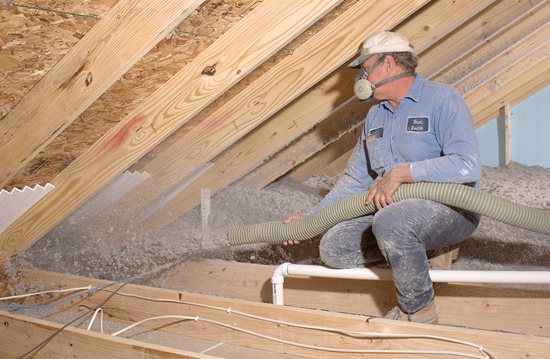
There are two types of insulation materials that are able to be reused: cellulose and fiberglass. Cellulose insulation is largely comprised of recycled materials at the time of initial installation, with 80-85% of its makeup coming from repurposed supplies. Because of its composition, cellulose is an excellent choice for homeowners looking to be more environmentally friendly. When properly installed by a professional team, cellulose insulation can be completely recovered and repurposed to address damaged insulation areas within the home. This is typically done through a blown-in process, enabling excess materials to be vacuumed up and blown back into the area, or saved for future insulation needs at a later date.

Fiberglass insulation is another type of material that can be reused. While not largely made of recycled materials, fiberglass is still sourced from reusable supplies, and it can be an effective way to help homeowners save money on their insulation needs. This material can also be reclaimed from demolition debris and recycled into a new product. Like cellulose, fiberglass repurposing requires professional initial installation in order to successfully remove and reuse materials.

Types of Insulation Products IBP of Nashville Provides

While IBP of Nashville does not offer cellulose insulation products, our team proudly offers the following solutions to care for your home’s insulation needs:

  • Fiberglass Insulation: Our fiberglass insulation is available in both batts and blown-in solutions.
  • Spray Foam Insulation: Created from polyurethane, our spray foam is applied wet and expands into a thick solution to expertly fill small crevices and hard-to-reach areas.

Spray foam insulation is not able to be reused once installed. However, due to its ability to expand and seal difficult-to-reach areas, it’s an excellent, long-term solution that’s incredibly effective at reducing air infiltration. If the initial cost of spray foam insulation isn’t suitable for your budget, we recommend our fiberglass insulation solutions. Once installed by one of our expert professionals, we’ll be able to repurpose the materials at a later date as your insulation needs change.


Contact IBP of Nashville for Your Insulation Solutions

When your Nashville home needs insulation, there’s no better team to turn to than IBP of Nashville. Our reusable fiberglass insulation is an excellent option for homeowners looking to save time and money on their insulation needs. Whether you need initial installation or are looking to have our team repurpose existing materials, we have the products and services you need to regain total comfort in your home. Contact our team to schedule your insulation appointment today!

WHAT DOES INSULATION LOOK LIKE?

Does your home have enough insulation or could it benefit from more? Though many homeowners know a thing or two about the benefits of insulation, many still aren’t sure what it looks like or where it is in their home. You likely have insulation in your attic, walls, basement, and/or crawl space. Even knowing that, do you know what the different kinds of insulation look like?

Here are some images of insulation materials that can be installed in both new and existing homes:

What Does Spray Foam Insulation Look Like?

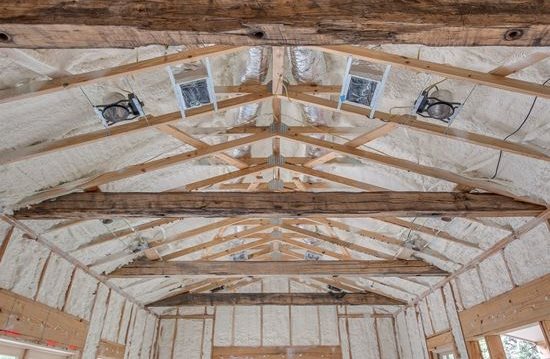
Spray foam insulation (commonly made of polyurethane) is applied wet and expands into thick foam that fits snugly in wall cavities, crevices, and gaps. It is usually white in color or a similar shade.

Spray Foam Insulation

What Does Fiberglass Insulation Look Like?

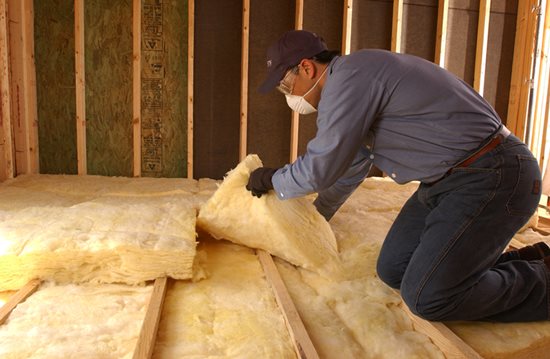
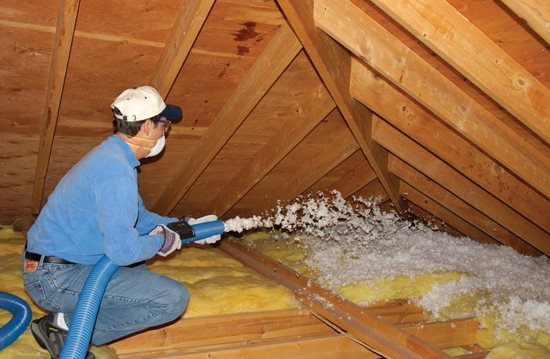
Made of tiny glass fibers, fiberglass insulation can be installed in many areas of a home. Owens Corning fiberglass is pink, but this type of insulation comes in various other colors, from yellow to white to brown. It’s available in and blown-in (top image) and batt (bottom image) form.

Fiberglass Insulation

Batt Fiberglass Insulation

What Does Cellulose Insulation Look Like?

Cellulose insulation is extremely environmentally friendly, made of up to 85 percent recycled materials. It is generally gray or brown in color.

Cellulose Insulation

Insulation Contractors Serving Portland & Surrounding Areas in Nashville, TN

Our team at IBP Nashville can help your home become more energy efficient and comfortable through expert insulation installation.

Whether you need spray foam, fiberglass or something in between, contact us!

How Do I Know if I Need More Attic Insulation?

As you know, Nashville, Tennessee summer months are hot! Are you staying comfortable and cool at home? If you’ve been uncomfortable or have experienced higher energy bills for seemingly no reason, you may need more insulation.

Do you need to insulate your attic? It can be hard to tell. This is where insulation professionals come in! Contact Installed Building Products of Nashville today to insulate your attic—or keep reading if you’re asking yourself, “Do I need more attic insulation?”

Even though it’s best to talk to an insulation company, there are a few things you can do yourself to help determine if you need more insulation. Since the attic is one of the most significant sources of energy loss (a lot of attics aren’t as energy-efficient as they could be!), it’s a great place to start.

Do You Need More Attic Insulation?

Can you see the floor joists (the wooden beams running across the floor) in your attic? If the insulation is level with or below the joists, it’s likely that you need more insulation. If you take a brief look around your attic and you still aren’t sure—or you don’t feel comfortable going up there—call your local insulation company.

Keep in mind that even if you can’t see the floor joists and you think you have enough insulation in the attic, there could be hidden air leaks. Air leaks undermine insulation’s performance and can significantly hinder your home energy efficiency efforts.

Other Signs to Look Out For

There are additional ways to tell if your attic needs to be re-insulated. You most likely may need more attic insulation if:

  • Your energy bills are higher than usual for the time of year
  • The second floor of your home is uncomfortably warm (particularly in the summer)
  • Your heating system is running more than normal in the winter (and cooling system running more in the summer)
  • Snow melts off your roof too quickly
  • Ice dams form on your roof

Air sealing and getting a home energy audit can be beneficial as well, revealing where your home is losing energy and costing you money! This can help you save money in the long-run.

Let us help you maximize your home’s energy efficiency.

The IBP of Nashville team helps northern Tennessee homeowners save money and live more comfortably all winter long and throughout the year with the right insulation solutions—fiberglass and spray foam. We can remove old insulation in your attic (or anywhere else) and replace it with high-quality insulation.

Contact us to learn more about our services or if you’re ready for a FREE estimate for your project. Start improving the energy efficiency and comfort of your home today—start now!